

Guide to Tri-Clamp Sanitary Clamps in Brewery Systems
29th Jan 2026
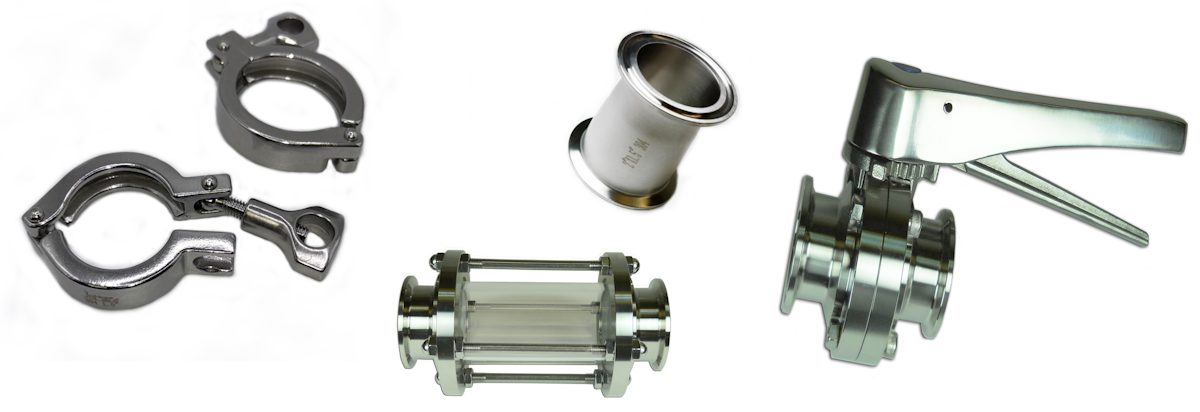
If you work in a brewery, you likely interact with tri-clamp connections every day. From brewhouse piping to fermenters, butterfly valves, pumps, hoses, and CIP lines, the tri-clamp system is the standard for sanitary brewing connections.
At the center of that system are tri-clamp sanitary clamps. This guide explains how tri-clamp sanitary clamps fit into the full brewery tri-clamp system, how they work with fittings and gaskets, and how to properly select, tighten, and maintain them for reliable, leak-free operation.
How Do Tri-Clamp Sanitary Clamps Work in a Brewery Tri-Clamp System?
A tri-clamp system is a sanitary connection method used throughout breweries, beverage facilities, and food processing plants. It allows components to be connected quickly while maintaining cleanability and sanitary integrity.
A tri-clamp connection consists of three core components:
Tri-clamp ferrules: Found on tanks, fittings, valves, hoses, and accessories
Sanitary gaskets: Provide the actual seal between ferrule faces
Tri-clamp sanitary clamps: Apply even pressure to hold the connection together
Tri-clamp sanitary clamps are simple in design but critical in function. When installed correctly, they apply even compression so the gasket can seal — and they do it in a way that’s easy to break down for cleaning and maintenance.
Here’s how a tri-clamp connection comes together:
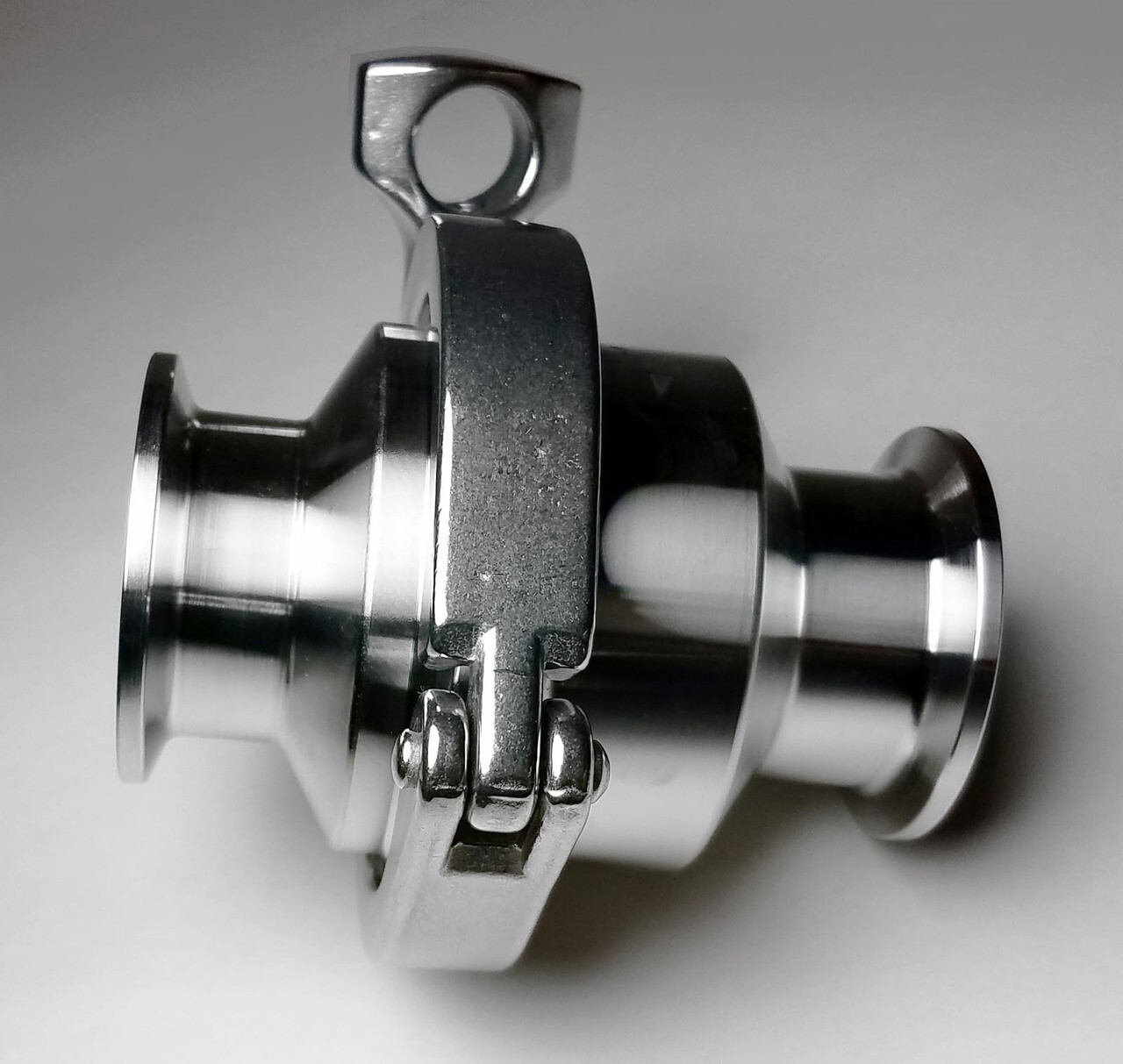
1) Two ferrules are aligned face-to-face
2) A gasket is placed between the ferrule faces
3) The tri-clamp sanitary clamp wraps around the ferrule lips
4) Tightening the tri-clamp sanitary clamp pulls the ferrules together evenly
Proper clamp alignment and even tightening allow the gasket to compress uniformly, creating a sanitary seal. Many tri-clamp leaks are caused by uneven clamp pressure or over-tightening. Because these connections are frequently assembled and disassembled for cleaning and maintenance, tri-clamp sanitary clamp condition directly impacts uptime, sanitation, and overall efficiency.
Tri-Clamp Sizes Explained
Tri-clamp sizes are based on the ferrule size — not the outside diameter of the clamp itself. Common brewery sizes include: 1.5″ (the brewery standard), 2″ (higher-flow transfer lines), and 3″ and larger (main process and CIP headers).
A 1.5″ tri-clamp sanitary clamp fits a 1.5″ ferrule — whether it’s on a fitting, valve, hose, or sight glass. Mixing clamp sizes or mismatching ferrules will almost always lead to leaks. If you’re unsure, start with the ferrule size and build the connection from there: ferrule + gasket + clamp.
Tri-clamp sanitary clamp styles can vary by application: single-pin clamps handle most standard brewery connections, while double-pin and heavy-duty clamps provide more even compression and added strength for larger, vibrating, or higher-pressure lines.
Brewery environments are demanding, so material matters: 304 stainless works for most brewery and CIP use, while 316 offers added corrosion resistance in harsher conditions, both providing durable, sanitary sealing.
Related pages: Sanitary Butterfly Valves, Tri-Clamp Sight Glasses, Sanitary Fittings & Clamps.
How Tight Should a Tri-Clamp Sanitary Clamp Be?
In most brewery applications, hand-tight is sufficient. Over-tightening can cause gasket deformation, uneven sealing, bent clamp bands, and persistent leaks. Rule of thumb: Tighten until the gasket is evenly compressed — not flattened. It’s good practice to re-check clamp tightness periodically, especially after brewing or cleaning operations and when installing new gaskets.
Tri-Clamp Sanitary Clamp Maintenance Tips
Basic inspection and maintenance can significantly extend clamp life. Inspect clamps for bent or warped bands, worn hinge pins, stripped wing nuts, and uneven closing. For cleaning, remove clamps during deep cleaning, rinse off sugars and chemical residue, and avoid prolonged soaking in harsh chemicals.
When to Replace a Tri-Clamp Sanitary Clamp
Replace tri-clamp sanitary clamps if you notice repeated leaks at the same connection, excessive tightening required, visible warping or stress marks, or loose/damaged hinge hardware. Keeping spare clamps on hand helps prevent downtime during cleaning, maintenance, or unexpected repairs.
Choosing the Right Tri-Clamp Sanitary Clamp for Your Brewery
Using the right tri-clamp sanitary clamp — paired with the correct gasket — helps ensure consistent, leak-free connections throughout your brewery. If you’re ever unsure about clamp sizing, styles, or compatibility, explore BreweryGaskets.com for tri-clamp sanitary clamps, gaskets, fittings, valves, and sanitary hardware designed for dependable, leak-free performance.